


Introduction: The Double-Edged Sword of Synthetic Voice
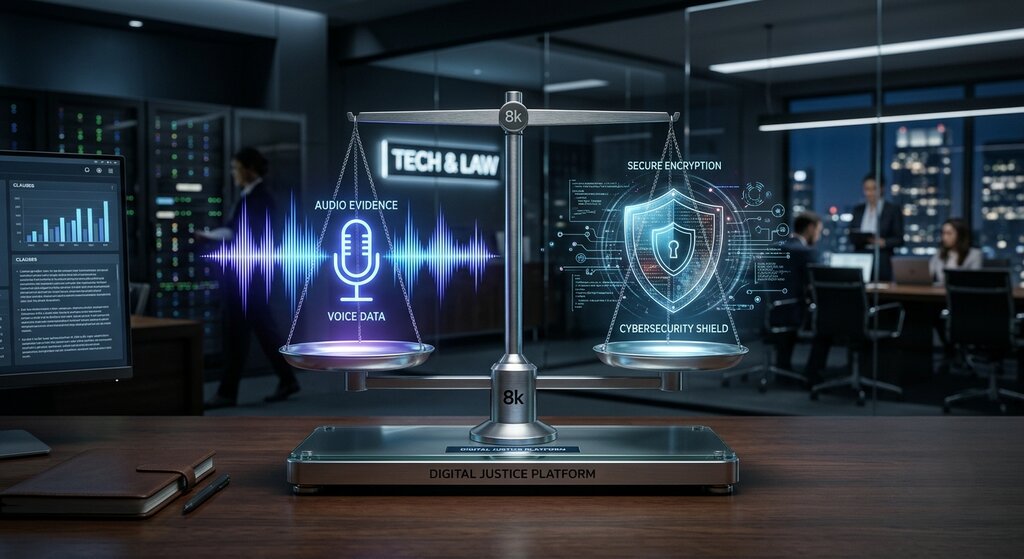
The evolution of artificial intelligence text-to-speech (TTS) and voice cloning technology has opened unprecedented creative vistas. What once required thousands of dollars in studio booking fees, professional voice actors, and days of editing can now be accomplished in seconds with a few lines of script and a 10-second audio sample.
Yet, this democratization of audio generation has triggered a seismic shift across legal, ethical, and regulatory landscapes. As synthetic voices scale across YouTube documentaries, marketing campaigns, and interactive global products, a critical question emerges: Where is the line between innovative content creation and illegal identity misappropriation?
From landmark right-of-publicity lawsuits and strict global transparency regulations to evolving copyright claims and biometric data privacy laws, the “wild west” era of AI voice cloning is officially closing.
In this comprehensive, exhaustive guide, we will examine the legal realities, regulatory frameworks, moral responsibilities and practical safeguards that creators, developers and enterprises must adopt to utilize AI voice tech safely and legally.
The Legal Landscape — Ownership, Publicity Rights and Copyright
To protect your brand, content platform, or startup from catastrophic liability, you must first understand how modern laws treat an artificial voice. Many creators operate under the misconception that because a voice is generated by software, it exists in a legal vacuum. In reality, courts and legislators are cracking down using deeply rooted legal doctrines.
1. Copyright vs. Right of Publicity: Understanding the Difference
Copyright Limitations: Under traditional copyright law, a person’s natural voice is generally not protectable as a standalone copyright. You cannot copyright the physical sound of your vocal cords. However, specific audio recordings (such as a commercial track or podcast file) are heavily copyrighted. Using those copyrighted files without authorization to train a machine-learning model crosses legal boundaries.
Right of Publicity and Persona Protection: This is where most unauthorized voice cloning lawsuits succeed. Courts have long established that a distinctive, recognizable human voice is a protectable attribute of identity and commercial value. If a synthetic voice evokes a specific person—especially a celebrity, public figure, or professional voice actor—and is used commercially without explicit permission, it violates right-of-publicity laws and triggers claims of false endorsement or unfair competition.
2. Modern Legislative Crackdowns: State and International Statutes
Lawmakers worldwide have rapidly updated statutes to directly target unauthorized digital replicas:
United States State Laws: States with heavy media economies have pioneered aggressive protections. California’s legislation (such as AB 1836 and AB 2602) strictly limits digital replicas of living and deceased performers, rendering broad, vague contract clauses unenforceable unless performers have explicit legal representation and defined use scopes. New York, Illinois, and Tennessee have similarly updated their civil rights and right-of-publicity acts to criminalize unapproved AI voice generation.
Global Frameworks: International regulations, including the European Union’s comprehensive AI Act, mandate strict operational transparency. Under these rules, failing to disclose that audio content has been artificially generated or manipulated can result in severe financial penalties.
Consent as the Ultimate Foundation of Ethical AI Voice Use
In the ecosystem of synthetic audio, consent is non-negotiable. Whether you are cloning your own voice for scalable content production or licensing a professional voice actor’s catalog for an e-learning platform, explicit permission dictates the legality of the workflow.
1. What Constitutes “Explicit Consent”?
A common pitfall for digital creators is assuming that “implied consent” or public availability equates to permission. For instance, downloading a public YouTube video of an influencer to train an open-source voice model is legally hazardous.
Informed and Verifiable Permission: Legitimate voice cloning workflows require written agreements or cryptographically verifiable opt-in processes.
Biometric Compliance: In several jurisdictions, voiceprints are classified under biometric data privacy laws. Collecting, processing, or storing voice data without a signed release explicitly covering AI training and synthetic generation violates consumer privacy rights.
2. Crafting Bulletproof Voice-Licensing Agreements
If your business collaborates with voice actors or creators to build custom brand voices, standard “work-for-hire” contracts from the pre-AI era will not suffice. Modern agreements must clearly outline:
Scope of Deployment: Exactly where, when, and how the synthetic voice can be deployed (e.g., restricted to internal training modules vs. commercial social media ads).
Duration and Expiration: Whether the license grants perpetual usage or expires after a set period.
Derivative Outputs and Future Models: Clear boundaries on whether the voice model can be fine-tuned or transferred into future iterations of generative architectures.
Compensation and Residuals: Fair monetization models or buyout terms that protect the talent as their synthetic likeness generates revenue.
The Threat of Deepfakes, Fraud and Consumer Deception
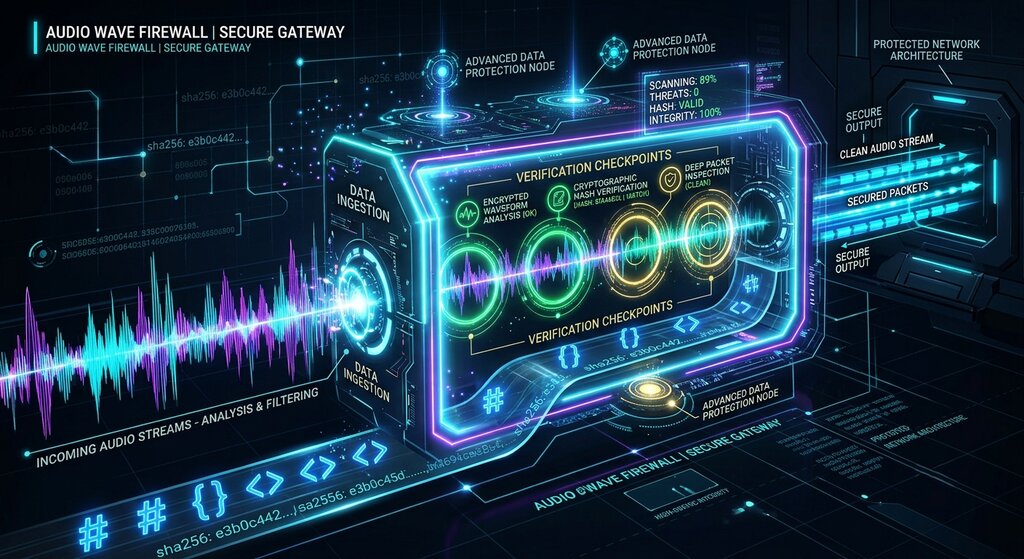
While ethical creators leverage AI voice cloning for productivity and global localization, bad actors utilize the same technology for malicious social engineering, financial fraud and impersonation scams. Understanding these threats helps platforms and creators implement robust preventative measures.
1. Executive Impersonation and Social Engineering
One of the most alarming trends in enterprise security is the rise of “vishing” (voice phishing) and deepfake audio fraud. Cybercriminals routinely clone the voice of a company CEO or CFO using short clips sourced from public earnings calls or conference speeches, then use real-time AI audio tools to trick finance departments into authorizing emergency wire transfers.
2. Platform-Level Safeguards and Verification Protocols
To combat fraud, reputable AI audio platforms implement stringent structural guardrails:
Challenge-Response Enrollment: When a user attempts to clone a voice, platforms require them to record a live phrase containing a randomized numerical code, verifying that the person controls the physical voice in real-time.
Restricted Voice Libraries: Public marketplaces block users from uploading datasets designed to mimic living politicians, public figures, or unverified private individuals.
Audio Provenance Watermarking: Embedding imperceptible, cryptographic watermarks directly into generated audio files allows forensic tools to trace a synthetic file back to the specific platform and user account that generated it.
Transparency and Disclosure — Meeting Global Regulatory Standards
As regulatory bodies tighten compliance expectations around synthetic media, transparency is no longer optional—it is a legal mandate.
The Mandate for AI Disclosure Labels
Across major digital markets, consumer-facing applications of AI-generated audio must clearly notify listeners that they are interacting with synthetic speech:
Audible and Visible Disclosures: Under modern compliance frameworks (such as the EU AI Act), if an AI voice is deployed to dub video content or run customer service interactions, listeners must be informed at the point of first exposure.
Avoiding Deceptive Endorsements: If a brand utilizes a cloned voice—even with full consent—to market a product, federal trade and advertising watchdogs require explicit disclaimers to ensure consumers are not misled into believing a celebrity or uncompensated founder endorses the product without a transparent setup.
Best Practices for Creators and Businesses Using AI Voice Tools
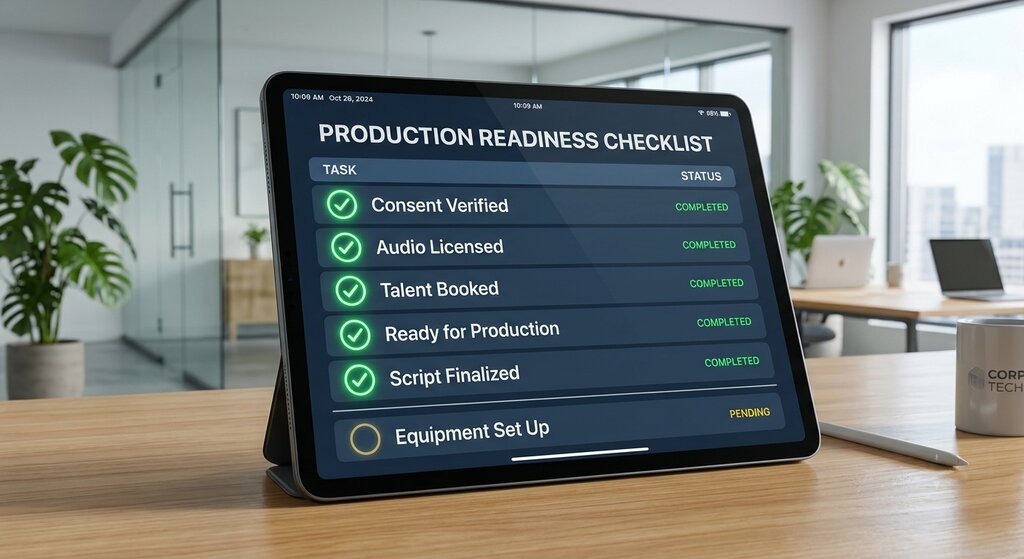
Navigating the legal and ethical minefield of synthetic audio does not mean you have to abandon innovation. By adhering to a strict set of operational best practices, creators and enterprises can leverage AI voice technology safely and effectively.
A Practical Compliance Checklist for Your Workflow
Audit Your Tooling: Ensure the text-to-speech platform you use maintains strict terms of service regarding data privacy, model training transparency, and consent verification. Platforms like Speakatoo emphasize reliable, high-integrity audio generation, allowing creators to focus on production value while relying on robust infrastructure. Explore their options directly via the Speakatoo Text-to-Speech Generator.
Secure Written Releases: If you utilize custom voice clones of yourself, your employees, or hired talent, always maintain signed legal documentation outlining exact deployment terms.
Embrace Transparent Labeling: When deploying AI-generated voiceovers in commercial or public-facing applications, incorporate clear disclosures to build absolute trust with your audience.
Perform Human Review: Always retain human-in-the-loop oversight to check that generated outputs align with ethical brand guidelines and contextually respect public sensitivities.
Future-Proofing Your Brand — Regulatory Trends Ahead (2026 and Beyond)
As governments worldwide catch up to the rapid pace of generative artificial intelligence, regulations are transitioning from voluntary guidelines to strict legal mandates. If you manage a business or content network, you must anticipate where compliance is heading.
1. Real-Time Audio Watermarking Mandates
Tech standards organizations are pushing toward universal cryptographic watermarking. In the near future, regulatory bodies may legally require all commercial TTS platforms to embed unremovable audio signatures into every synthesized file.
What This Means for Creators: Platforms that fail to provide verifiable provenance will be flagged or banned by social media algorithms and distribution networks. Utilizing compliant, high-integrity tools ensures your content never gets mistakenly flagged as malicious or unauthorized.
2. The Evolution of Digital Estate Rights for Voices
A complex legal frontier involves deceased artists and public figures. Families and estate executors are increasingly locking down the digital likenesses of iconic historical figures, actors, and musicians.
Post-Mortem Publicity Rights: Laws are expanding to protect a person’s voice even decades after their passing. Unauthorized commercial cloning of a deceased legend’s voice can trigger massive statutory damages filed by their estate holders.
Frequently Asked Questions (FAQs) on AI Voice Ethics and Legality
Q1: Is it legal to clone my own voice using AI?
Answer: Yes. Cloning your own voice for personal use, content creation, or business scaling is entirely legal because you own your biometric identity and have given explicit self-consent.
Q2: Can I get sued for using a public celebrity’s voice clone on YouTube?
Answer: Absolutely. Even if you use a third-party platform to generate the voice, imitating a living celebrity, politician, or professional voice actor for commercial gain without their explicit written consent violates right-of-publicity laws and can lead to severe lawsuits.
Q3: How can I ensure the AI voice tool I use is legally safe?
Answer: Always check the platform’s terms of service. Reputable platforms (like Speakatoo) maintain strict policies regarding data privacy, verified voice consent datasets, and transparent audio generation guidelines, protecting you from compliance risks.
Conclusion: Building a Sustainable, Ethical Audio Future
Artificial intelligence voice cloning and emotion-driven text-to-speech represent some of the most empowering breakthroughs of our digital era. They democratize storytelling, break down language barriers across 130+ global dialects and enable creators to scale their vision with unprecedented speed.
However, great technological power demands equal measures of responsibility. By respecting right-of-publicity laws, prioritizing explicit consent, enforcing robust platform safeguards and maintaining absolute transparency with listeners, we can ensure that the future of audio remains trustworthy, creative and legally secure.
Ready to build your content pipeline with confidence? Head over to Speakatoo to explore studio-grade, ethically managed AI voices and start transforming your scripts into human-quality audio today.